
The way we design and even think our outdoor spaces is shifting, with homeowners and designers focusing on landscaping that’s sustainable as much as functional and beautiful. As we step into 2025, landscaping trends (still) reflect a growing desire to create spaces that are as environmentally friendly as they are enjoyable.
We can’t know if it’s going to stay that way a year from now, but here’s to hoping!
Without further ado, here’s a look at the top landscaping trends expected to shape outdoor spaces in the coming year.
1. It’s (Still) About Climate Adaptivity
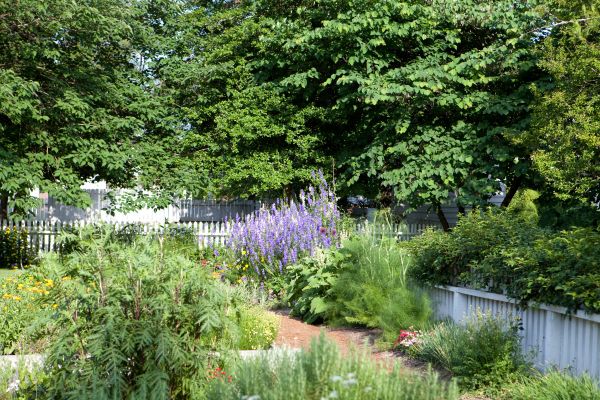
By the looks of it, climate-adaptive landscaping will remain center stage in 2025.
So if you’re seeing more and more backyards that look like meadows, there’s a good reason for it. Homeowners are increasingly opting for plants that thrive in their local climate and require minimal watering or maintenance. The trend of trying to save as much water as possible, also known as xeriscaping, also makes sure gardens can endure extreme weather conditions.
Drought-tolerant plants like succulents, native grasses, and hardy perennials are popular choices. Rain gardens, designed to capture and absorb rainfall, are also gaining attention as practical and attractive additions to yards.
2. Grow What You Can Eat
This one may have to do with rising prices of food as well as the post-pandemic joy at getting our hands literally dirty.
Be that as it may, edible gardens are still growing in popularity as people look for ways to make their outdoor (and indoor!) spaces more productive. Growing fruits, vegetables, and herbs makes for a functional garden that also looks great.
Raised garden beds and vertical planters make it easy to include edible plants, even in small spaces. Mixing flowers with food plants also creates a vibrant, visually appealing design.
3. Low-Maintenance Designs
I can hardly overstate my admiration for the fact that landscaping is getting easier, not more difficult.
Low-maintenance landscaping focuses on using hardy plants, efficient irrigation systems, and minimal upkeep features.
Ground covers are replacing traditional lawns to reduce mowing and watering needs. Perennial plants, which come back year after year, are being favored over seasonal varieties. Mulching and automated watering systems further reduce maintenance tasks.
4. Outdoor Living (Whenever Possible)
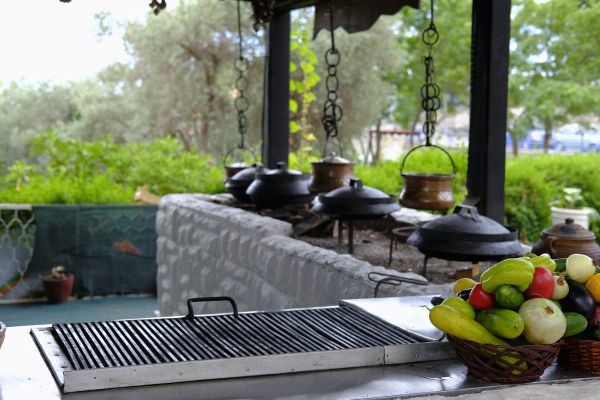
This one is a two-way street. Just like our homes are extending into our yards, the yards also reach into our homes!
In 2025, the focus is on creating multifunctional spaces that blend comfort with utility. The whole point is to have more options, not less.
So goodbye patio, welcome full-blown kitchens in the open!
But it’s not just about installing an outdoor kitchen. If that’s above your pay grade, there are also improvised fire pits and shaded seating areas where you can spend almost all day, every day. To that end, homeowners are also adding weatherproof furniture, pergolas, and outdoor lighting to create spaces that can be used year-round.
5. Functional Water Features
Water features have always been around, but they used to be about decoration.
Today, they are ponds and fountains that are integrated into gardens to create a calming atmosphere while also supporting local wildlife.
In 2025, they also need to be eco-friendly and rely on sources that are already there. Solar-powered pumps and rainwater-fed ponds are sustainable alternatives to traditional water systems.
6. Vertical Landscaping
As urban living continues to rise, so does the need to maximise space. Vertical landscaping is an innovative way to add greenery to walls, fences, and other vertical structures. This trend is perfect for small yards, patios, and balconies.
Living walls, made up of plants grown on a structure attached to a wall, are both visually striking and functional. They improve air quality, provide insulation, and add a splash of nature to otherwise blank spaces.
7. Wildlife-Friendly Gardens
There’s a growing focus on creating gardens that support local wildlife. Homeowners are planting flowers that attract bees, butterflies, and other pollinators. Birdhouses, feeders, and small ponds are being included to welcome birds and other animals.
Native plants are central to this trend, as they provide food and habitat for local species. These gardens help restore biodiversity while offering homeowners the chance to observe and enjoy nature up close.
8. Smart Landscaping Tech
Tech is making its way into landscaping with smart tools and devices. Automated irrigation systems that adjust based on weather conditions are becoming more common. These systems conserve water by making sure plants are only watered when they really need to drink.
Robotic lawnmowers, outdoor lighting controlled by smartphone apps, and sensors that monitor soil moisture are also gaining popularity. These tools make it easier to maintain a healthy, beautiful garden with minimal effort.
9. Naturalistic Design
Naturalistic landscaping is all about embracing the beauty of nature. This trend focuses on creating outdoor spaces that look organic and unstructured, with winding pathways, uneven edges, and a mix of textures.
Wildflower meadows, native shrubs, and natural stone paths are key features of this design style. The goal is to create a space that feels like an extension of the natural world, blending seamlessly with the surrounding environment.